
Home / Services / Structural Drying
Structural Drying and Dehumidification in Bartow, FL
Water mitigation is the trade term for removing the moisture left in a building after the visible water is gone. This page explains how structural drying works and how crews know it is finished.
- Moisture mapping
- Air movers and LGR dehumidifiers
- Daily readings
Floors and walls still damp days after the water was cleaned up?
If a carpet still feels cool, a baseboard is swelling or the room smells musty days after a leak, water is still in the structure. Mopping and fans do not pull moisture out of studs, subfloors and the back of drywall.
The trade name for removing it is structural drying, often called water mitigation. A crew places air movers and dehumidifiers, measures moisture daily and does not stop until the readings match a dry reference. This page is about that process. Common starting points are burst pipe water damage and wet walls.
What structural drying means in practice
Drying is a controlled process, not a fan in a window. Air movers push dry air across wet surfaces, which makes water evaporate. Dehumidifiers pull that water out of the air so the room does not simply recirculate vapor.
The ANSI/IICRC S500 standard guides how professionals plan this work, and you can ask any company whether its crews follow it. The EPA advises drying water-damaged materials within 24 to 48 hours to limit mold, so crews work to that clock.
What to do while the equipment is running
- Leave the equipment on and plugged in where the crew placed it.
- Keep children and pets away from cords and hot exhaust.
- Keep doors and windows closed in the drying zone so humidity stays out.
- Do not move the machines, and call if one stops.
The equipment in plain words
Air movers
Low, high-velocity fans aimed along floors and walls that speed evaporation from surfaces.
LGR dehumidifiers
Low-grain refrigerant units that pull moisture out of the air even when humidity is already fairly low.
Moisture meters
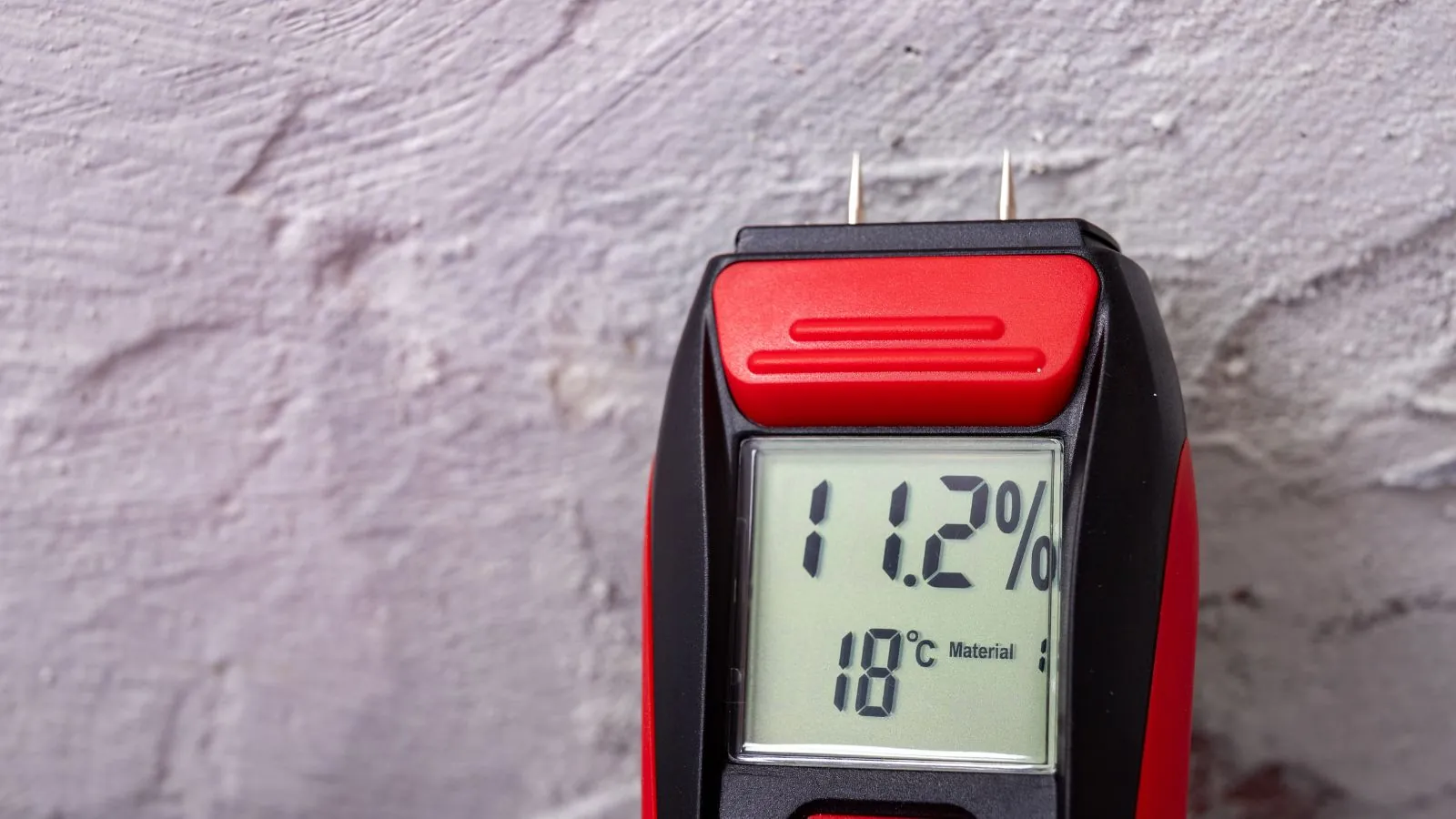
Pin and pinless meters read the water content of drywall, wood and subfloor.
Thermal cameras
Infrared images show cool, wet areas behind finished surfaces so crews know where to look.
How the process runs, day by day
- 1
Map the moisture
Meters and thermal imaging mark wet areas on walls, floors and ceilings.
- 2
Remove what cannot dry
Soaked carpet pad, insulation and swollen drywall are taken out.
- 3
Set equipment
Air movers and dehumidifiers are placed according to room size and wet material.
- 4
Monitor and finish
Readings are taken daily and equipment comes out when they reach the dry goal.
Drying duration depends on the materials. Drywall dries relatively quickly, while hardwood, subfloor and concrete release moisture slowly, and readings, not the calendar, decide when it is done. Callers often ask how long equipment will stay, and the honest answer is that it depends on those readings.
How drying classes affect the plan
| Class | What it describes | Typical effect |
|---|---|---|
| Class 1 | Small area, low-porosity materials | Little moisture absorbed, fastest drying. |
| Class 2 | Larger area, carpet and cushion, some wall wicking | Standard residential flood or pipe job. |
| Class 3 | Water from overhead, saturated walls, ceilings and insulation | More equipment and longer drying. |
| Class 4 | Deep saturation in low-evaporation materials like hardwood and concrete | Specialty methods and longer monitoring. |
The S500 classes describe how quickly water will evaporate from the affected materials, not how much money the job costs.
Extraction comes first and is covered on water extraction. A leak behind a finished floor often leads to hardwood floor water damage repair, where slow drying is the main challenge.
What the equipment bill depends on
Equipment is priced by the unit per day, so the bill depends on how many units the job needs and how many days they run. A small bathroom leak might use one dehumidifier and a few fans, while a flooded first floor can need many.
Some callers ask about renting equipment on their own. Rental is not offered here, and a rented unit set up without moisture readings often leaves moisture behind. Call (844) 950-6900 and scope and price are explained before work starts.
Insurers often ask for drying logs and moisture readings as proof the work was done. Ask the crew for daily readings in writing, and ask your insurer what documentation it wants before work starts.
Common questions
Why is my floor still damp after the water was removed?
Extraction pulls out surface water, but wood, subfloor and the back of drywall hold moisture for days. Air movers and dehumidifiers pull it out, guided by moisture readings.
How long does structural drying take?
It depends on the materials and the amount of water, so readings decide the finish. Drywall dries relatively quickly, while hardwood and concrete take longer.
What is the difference between water mitigation and restoration?
Mitigation stops the damage by removing water and drying the structure. Restoration is the repair and rebuild afterward.
Can I just run box fans and a dehumidifier?
For a small clean spill, maybe. For anything that soaked walls or floors, meters and the right equipment matter, because moisture left in framing can lead to mold.
How do you know when drying is finished?
Moisture meters compare affected materials to a dry reference reading from an unaffected area, and equipment is removed when they match.
Water damage in Bartow? Call now
The line is open around the clock. Tell us what happened and we will explain the scope and price before work starts.
Call (844) 950-6900