
Home / Services / AC Leak Water Damage
AC Leak Water Damage in Bartow, FL
In Florida humidity an air conditioner pulls a lot of water out of the air, and when its drain clogs, that water goes into your ceiling or closet. Turn the system off and read on.
- Condensate line leaks
- Attic and closet air handlers
- Mold risk checked
Why central Florida air conditioners leak
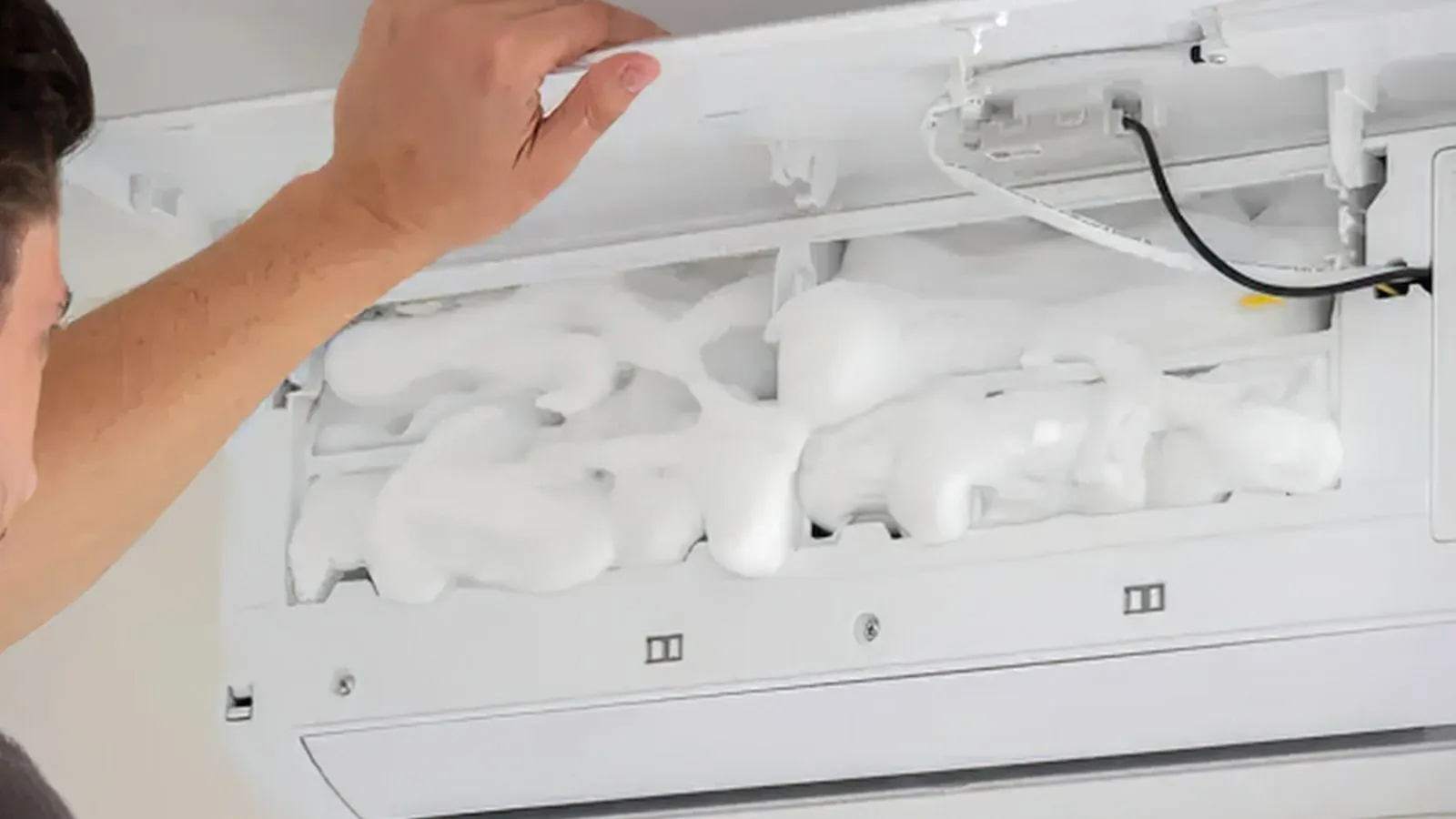
An air conditioner cools air by pulling humidity out of it, and that moisture condenses on the evaporator coil and runs out through a drain line. In a humid place like Bartow the system produces water for much of the year, so a clogged line or a rusted drain pan gets tested daily.
When the drain line is blocked, water backs up and spills out of the drain pan, runs through the closet or attic, and shows up as a ceiling stain or a wet floor under the air handler. The EPA recommends keeping drip pans clean and drain lines unobstructed for that reason. If the water has soaked insulation or drywall, see wall and drywall water damage repair and structural drying.
First steps when the AC is leaking
Do this now
- Turn the thermostat to off so the unit stops making more water.
- Shut the unit off at its breaker or service switch if water is near it.
- Place a bucket or towels under the drip, and keep out from under a bulging ceiling.
- Photograph the damage and call both an HVAC technician and the restoration line.
A leaking system does not have to be an emergency if the leak is small and the water is contained, which is why this service is not an after-hours priority. A sagging ceiling is a different story, and that is covered on ceiling water damage repair.
What to do when the AC is leaking
- Switch the system off at the thermostat so it stops making more water.
- Put a towel or a container under the drip, away from outlets.
- Photograph the stain and the drain pan before anything is cleaned.
- Skip running the system if you suspect mold, because the EPA advises against it.
Wet insulation and drywall are dried to the ANSI/IICRC S500 standard for professional water damage restoration, which sets out how water categories and drying goals are handled.
Where the water goes
Attic air handlers
A leak from the drain pan soaks the insulation and drywall below and appears as a ceiling stain, often in a hallway or closet.
Closet and garage units
Water pools under the unit and soaks baseboards, carpet and the wall behind it.
Frozen evaporator coil
A coil that iced over melts and overflows the pan, usually after airflow was restricted.
Disconnected or cracked drain line
A loose joint leaks only when the AC runs, which makes the source hard to spot.
Why an AC leak turns into a mold question
AC condensate water is often shallow and slow, so it can sit in insulation and drywall for days before a stain shows. The EPA says damp materials should be dried within 24 to 48 hours to prevent mold growth, and keeping indoor humidity below 60 percent also helps.
If the stain has a musty smell or dark spots, the drying and cleanup are the same as for other leaks, and a mold question follows on the mold remediation page. Do not run the HVAC system if you suspect mold at the air handler, because it can spread spores through the ducts.
How crews dry and repair AC leak damage
- 1
Locate the water
A moisture meter and thermal camera trace the leak back to the pan and drain line.
- 2
Remove wet material
Wet insulation and soft drywall are cut out and bagged.
- 3
Dry
Air movers and a dehumidifier run until readings are dry.
- 4
Repair
Drywall and paint are replaced after an HVAC technician has cleared the drain line.
The HVAC technician clears or replaces the drain line, treats the pan and may install a float switch that shuts the unit off before it overflows. The restoration crew handles the water damage, and the two trades work in sequence.
Cost factors and insurance for AC leak damage
| Factor | Effect |
|---|---|
| Size of the wet area | A closet floor is a smaller job than a ceiling across two rooms. |
| Insulation and ceiling removal | Attic units add insulation replacement and ceiling repair. |
| Duration of the leak | Slow leaks that run for weeks soak deeper into framing. |
| Drying days | Equipment is priced per unit per day. |
| Finish repair | Texture and paint are priced separately from drying. |
Call (844) 950-6900 and the scope and price are explained before work starts.
Insurers often treat a sudden drain pan overflow differently from long-term neglect of a clogged line. Keep your HVAC service records, photograph the damage and ask your insurer how AC condensate damage is handled under your policy.
Common questions
Why is my air conditioner dripping water inside the house?
Most often the condensate drain line is clogged or the drain pan is full or cracked. A frozen coil that melts can also overflow the pan.
Is an AC leak covered by insurance?
A sudden overflow that damages a ceiling is often covered, while long-term leaks from neglected maintenance often are not. Ask your insurer.
Can I keep running the AC while it leaks?
It is better to turn it off until the drain is cleared. Running it adds more water and can spread damage to the ceiling or walls.
Do you clear the drain line?
No. An HVAC technician clears the line and checks the unit. The restoration crew dries and repairs the damaged materials.
Will the leak cause mold?
It can if damp materials are not dried within about 24 to 48 hours. Prompt drying is the best prevention.
Water damage in Bartow? Call now
The line is open around the clock. Tell us what happened and we will explain the scope and price before work starts.
Call (844) 950-6900