
The short definition
Water mitigation is the set of actions taken right after a leak or flood to keep the damage from growing. It includes stopping the source, removing standing water, removing materials that cannot be saved and drying everything else. The word mitigate means to lessen the effect of something, and that is the job.
In an insurance policy, mitigation also has a second meaning. Most policies expect the owner to take reasonable steps to prevent further damage after a loss. The Florida Department of Financial Services lists temporary repairs, such as covering a roof or removing standing water, as typical examples of steps a policyholder should take. Industry practice follows the ANSI/IICRC S500 standard for water damage restoration.
Mitigation, restoration and remediation are different words
Words that get confused
- Mitigation is not the same as the rebuild
- Restoration is not just drying
- Remediation is not a cleanup of any water
What each one usually means
- Mitigation: stop and limit the damage
- Restoration: return the building to its condition before the loss
- Remediation: remove a contaminant, most often mold or sewage
Companies use these words loosely, and you will see them mixed on estimates. When you compare quotes, ask which parts of the scope are mitigation and which are rebuild. Mitigation is time-sensitive and often needs to start right away. Restoration and rebuilding can wait for a coverage decision and a contractor schedule.
What counts as water mitigation work
- Shutting off or isolating the source of the water.
- Extracting standing water with pumps and extractors.
- Removing wet carpet pad, insulation and drywall that cannot be dried.
- Setting air movers and dehumidifiers and monitoring them.
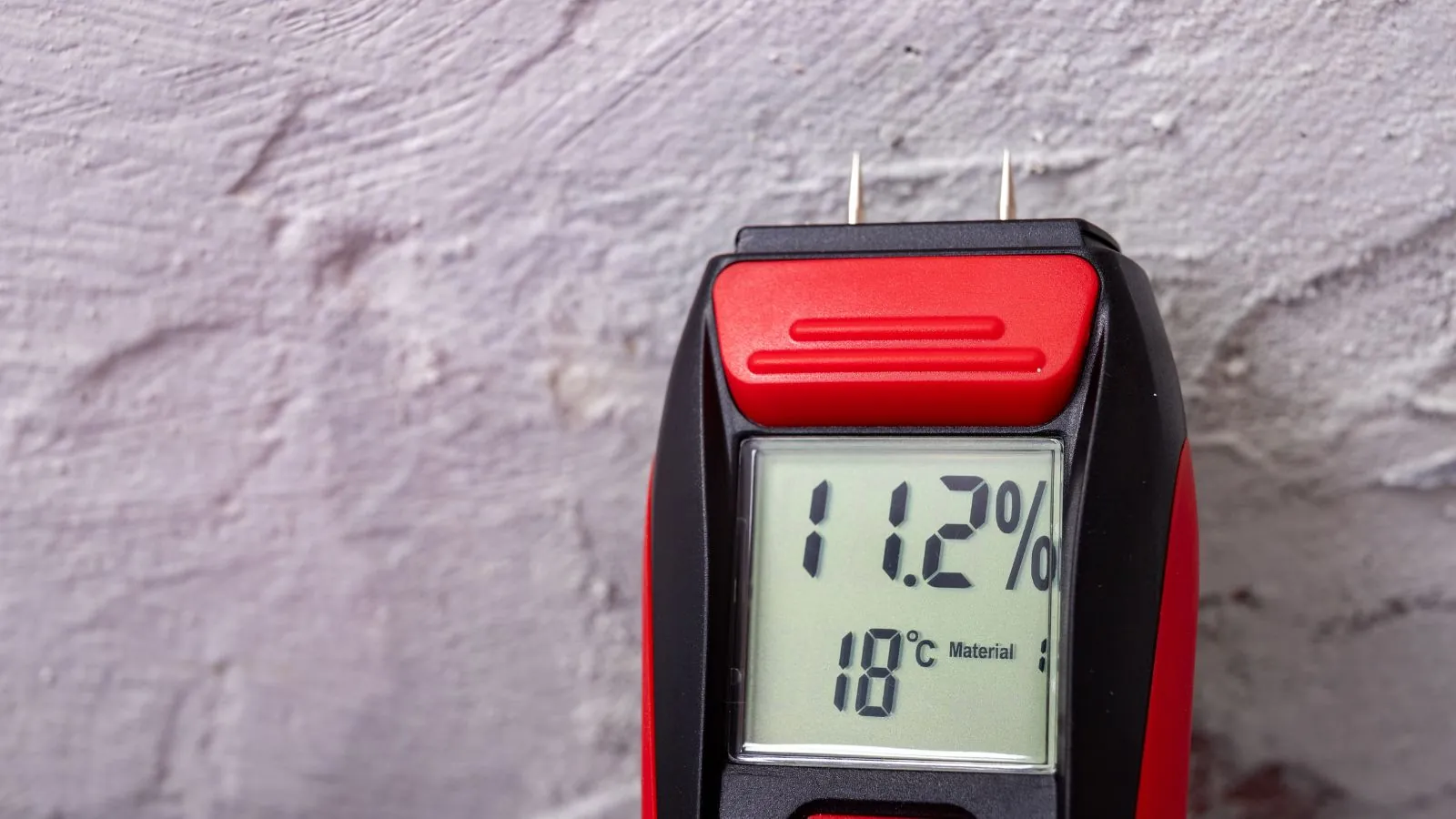
- Taking moisture readings and recording them.
- Cleaning and disinfecting surfaces that touched dirty water.
Each item has its own page if you want detail. For example, water extraction explains the pumping side, and structural drying and dehumidification explains how drying is measured.
Why the first hours matter
Water moves fast. It runs along floors, wicks up drywall and drops through ceilings into the room below. Porous materials start to swell, stain and break down quickly. The EPA recommends drying wet materials within 24 to 48 hours, because beyond that window mold becomes a real possibility.
The EPA also says to keep indoor humidity below 60 percent, ideally between 30 and 50 percent. In a Florida summer, the air itself is carrying a lot of water, so a wet room does not dry on its own the way it might in a desert climate. Equipment is how you create a dry environment.
What you can do before the crew arrives
- 1
Stop the source
Close the main valve or the fixture valve if the water is coming from a pipe.
- 2
Protect yourself
Stay out of rooms with water near electrical outlets, and keep people out of dirty water.
- 3
Lift contents
Move small items and electronics up off wet floors.
- 4
Photograph
Take photos and video of the damage before anything is moved.
Do not run the central air system if you suspect mold, because the EPA advises against it. It can spread spores through the ducts.
Mitigation and mold are linked
Mold needs moisture. If water is dried promptly, there is usually nothing for mold to grow on. If it is not, mold can start in a matter of days on wet drywall, wood and carpet. The EPA says mold over about 10 square feet may need a professional, and a Florida mold remediator is licensed by the Department of Business and Professional Regulation.
The best protection against a mold job is a good mitigation job. If mold is already present, the service is covered on mold remediation, which is a separate scope from drying.
Words you will see on an estimate
Extraction
Pumping or vacuuming standing water out of the building.
Tear-out
Removing materials such as pad, insulation or drywall that cannot be dried.
Containment
Plastic barriers that keep contamination or dust inside the work area.
Dry-out
Running air movers and dehumidifiers until moisture readings are normal.
If a word on your estimate is not on this list, ask what it means before you sign. A good company is glad to explain, because an informed customer is easier to work with.
Common mistakes in the first day
- Waiting to call until morning, when the materials have been wet for hours longer.
- Turning off the water at a fixture but not the main, then finding the leak continues.
- Using a household vacuum on standing water, which is an electrical risk.
- Throwing away damaged items before photographing them for the claim.
- Painting or sealing over a stain before the cause has been found.
None of these mistakes are unusual, and none are permanent if the water is addressed quickly. The point of listing them is that most are avoidable with a short phone call.
Mitigation and your insurance policy
Most property policies expect the owner to take reasonable steps to prevent further damage after a loss. The Florida Department of Financial Services names temporary repairs, such as covering a roof or removing standing water, as typical examples. Failing to do so can complicate a claim for the extra damage that follows.
That does not mean you have to act without talking to your insurer. Call the insurer, report the loss and keep receipts for the emergency steps you take. Ask what the policy says about the cost of those steps. If your carrier wants to send its own vendor, ask about timing, because water keeps spreading while arrangements are made.
Keep the line between mitigation and repair clear in your own records. A bill for pumping and drying is a different item from a bill for new drywall, and an adjuster will want to see them separately.
How to talk about it with an adjuster
- Describe the cause and the date you first noticed the water.
- Say what you did right away to limit damage, and when.
- Share photos and moisture readings taken before materials were removed.
- Ask what documents the insurer wants for the drying and tear-out.
- Ask how a supplemental claim works if more damage appears later.
The adjuster is not your adversary, but the adjuster does work from documents. The more complete your record of the first day, the easier the conversation.
A Bartow example
Lake Hancock in October 2024
During Hurricane Milton in October 2024, Lake Hancock reached emergency levels. Properties near the lake had reason to worry about surface water as well as roof leaks.
In that kind of storm, mitigation includes more than a pump. It means judging whether the water is flood, whether the materials it touched can be cleaned and whether the building can dry before the next round of rain.
If you are not sure whether your situation needs mitigation, call (844) 950-6900 and describe it. You can also look at the nearby town pages for Eagle Lake and Lakeland.
A local question
Is water mitigation the same as dry-out in Bartow homes?
Dry-out is one part of mitigation. Mitigation also covers stopping the source, extracting standing water and removing materials that cannot be saved, in addition to the drying itself.
Water damage in Bartow? Call now
The line is open around the clock. Tell us what happened and we explain scope and price before work starts.
Call (844) 950-6900