
Home / Blog / Seasonal Water Damage Risks in Bartow, FL: A Year-Round Guide
Seasonal Water Damage Risks in Bartow, FL: A Year-Round Guide
Florida does not have four seasons the way northern states do, but water damage risks still follow a calendar. This guide walks through the year and what to watch in each stretch.
Late May through early October: the rainy season
The National Weather Service Tampa Bay office defines the rainy season as May 25 to October 10. Afternoon storms are routine, and roofs, flashing, windows and drainage take the beating. Small leaks that start now can show up as ceiling stains weeks later.
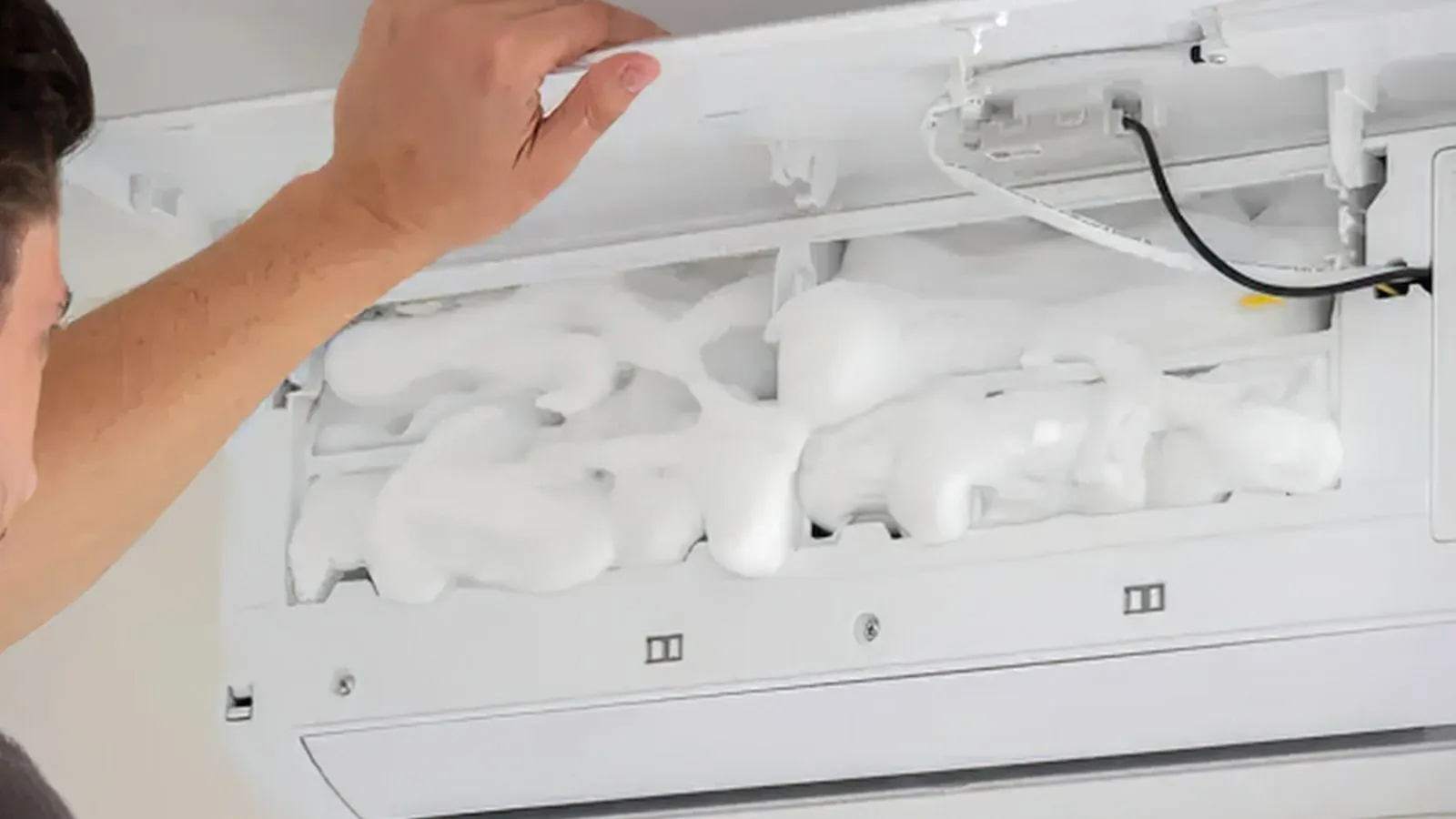
This is also the season when air conditioners run constantly. A clogged condensate drain can overflow into a ceiling or closet. See AC leak water damage for what that looks like.
- Check ceilings after heavy rain.
- Clear the AC condensate line.
- Keep gutters and drains clear.
- Watch for water at door thresholds.
June through November: hurricane season
Hurricane season runs June 1 to November 30. The most damaging events for Polk County tend to come with tropical systems that bring prolonged rain, as in Ian in 2022, Debby in August 2024 and Milton in October 2024. These can mean roof leaks, river flooding and lake rise at once.
The preparation steps are on the storm season checklist. The key idea is that flood insurance takes about 30 days to take effect, per FEMA, so the time to decide is before a storm approaches.
Late fall through winter: cold snaps
Winter in Central Florida is mild most of the time, but cold snaps do arrive, and homes here are not built for freezing weather. Exposed pipes in attics, garages and outside walls can freeze, and a thaw can split a pipe or a fitting. The damage shows up when the water comes back on.
Insulate exposed pipes, cover outdoor faucets and know where your main valve is. The full story is on frozen pipe water damage.
Spring: dry weather and old problems
Spring is typically drier, which makes it the best time to find and repair problems before the rains. Check the roof, caulk, and sealants and the water heater. A water heater that is more than a decade old deserves a look, and one that has already started to weep should be replaced.
Plumbing fixtures can also fail at any time of year. Supply lines on washers, toilets and sinks are a frequent source. A cheap braided line can fail and flood a room. See water heater leak cleanup and appliance leak water damage.
A simple seasonal calendar
| When | What to check |
|---|---|
| March and April | Roof, flashing, gutters and caulk before the rains. |
| May and June | AC condensate line, window seals and drainage. |
| July through September | Ceilings after storms, humidity and the crawl space. |
| October and November | Storm damage, flood insurance questions and post-season repairs. |
| December through February | Exposed pipes, outdoor faucets and the water heater. |
This calendar is a prompt, not a promise. Water finds a way in at any time of year.
Humidity all year
The EPA advises keeping indoor humidity below 60 percent and ideally between 30 and 50 percent. In Florida, that goal is not seasonal. A leak in January still dries slowly in a humid house, and a small leak in July can bring on mold in a matter of days.
A hygrometer costs little and gives you a number to track. If readings stay above 60 percent, look for causes such as AC performance, leaking ducts or damp spaces under the house. Professional drying follows the ANSI/IICRC S500 standard.
Conditions near Bartow
The Peace River and surrounding lakes
East Bartow has flooded from the Peace River, and Lake Hancock reached emergency levels during Hurricane Milton in October 2024. Those events happen at the end of the rainy season, when soil is saturated and water has nowhere to go.
That is why the seasons overlap so awkwardly for homeowners here. By the time a tropical system arrives, a wet summer has already filled lakes and soaked the ground.
Properties in Eagle Lake, Mulberry and Fort Meade each have local detail on their pages. If you need help with a loss right now, call (844) 950-6900.
Keeping an annual record
A one-page log of dates and findings makes a big difference when you file a claim or sell the house. Note the date you checked the roof, cleaned the AC line and tested the main valve. If something fails, the log shows that you maintained the property.
Insurers distinguish between sudden events and long-term neglect. A record of routine care supports your case.
When you are away from home
Florida homeowners travel, and a leak that starts while you are away can run for days. Before a long trip, consider shutting off the main water valve, turning the water heater to vacation mode and asking someone to check the house.
Smart leak sensors under sinks and near the water heater send an alert to your phone when they get wet. They are inexpensive and catch problems early. If you return to a wet house, photograph everything first and then call. The faster the drying starts, the better the outcome.
A quick check after every storm
After any heavy storm, take ten minutes to walk through the house. Look at ceilings in every room, especially under the attic. Check the corners where walls meet, the tops of windows and the garage door seal. Look outside for pooling water near the foundation and for debris in gutters and drains.
Write down what you find, even if it is minor. A small stain that appears after one storm and grows after the next is the pattern that tells you a leak is active.
Water heaters, appliances and age
Appliances and water heaters fail on their own schedule, not the calendar. A water heater that is more than a decade old is more likely to leak, and rust at the base or moisture on the floor is a sign to act. Washing machine hoses, dishwasher lines and refrigerator ice maker lines are small parts that cause big losses.
Replace braided hoses on a schedule, check the area around each appliance when you clean and know where the shutoff valves are. Failures happen in every season, which is why this belongs on the calendar next to the roof and the AC.
What to do when the season turns
Pick two or three tasks per season and put them on a calendar. Photograph the house once a year so you have a before picture. Keep your insurance documents in one place. When something goes wrong, the quickest call is to the company that can start drying the same day, when crews are available.
You can see every kind of loss we handle on all services. Water damage is most expensive when it is ignored, and most manageable when you see it early.
A local question
Does Bartow get cold enough to freeze pipes?
Cold snaps do reach Central Florida, and homes here usually have little pipe insulation. Exposed pipes in attics, garages and outside walls are the ones at risk, and the damage often appears when they thaw.
Water damage in Bartow? Call now
The line is open around the clock. Tell us what happened and we explain scope and price before work starts.
Call (844) 950-6900