
Home / Blog / Hiring a Mold Removal Company in Florida: What Bartow Homeowners Should Know
Hiring a Mold Removal Company in Florida: What Bartow Homeowners Should Know
Mold work in Florida is a licensed trade, and the rules are designed to keep testing and cleanup honest. This guide explains the framework before you pick up the phone.
Mold needs moisture, so start with the water
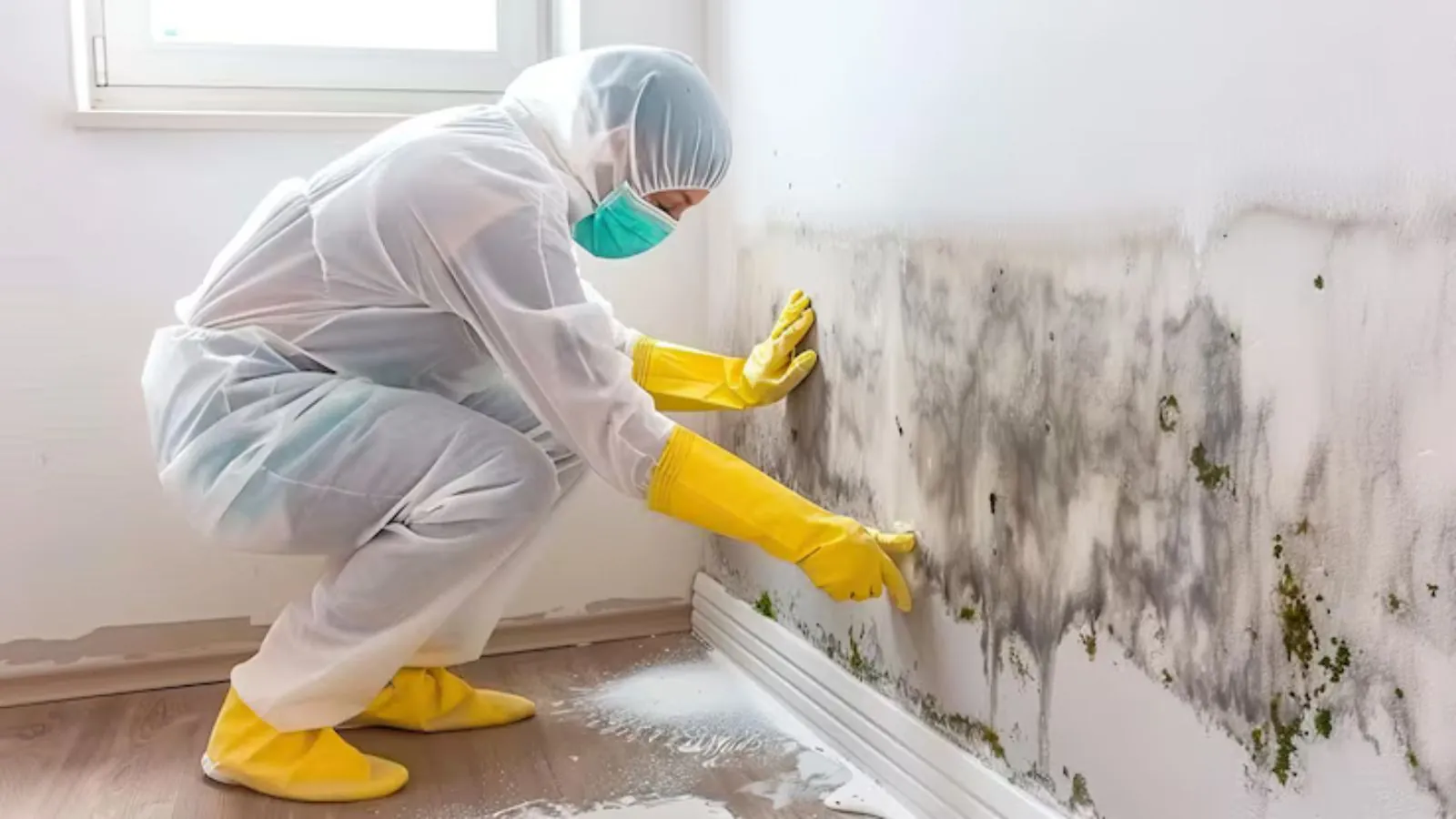
Mold grows where there is moisture, and the EPA says the key to controlling it is controlling the moisture. That means finding the leak, fixing it and drying the area before anyone starts cleaning. A company that offers to remove mold without asking where the water came from is skipping the most important step.
The EPA also advises drying wet materials within 24 to 48 hours and keeping indoor humidity below 60 percent. In a Polk County summer, that takes active dehumidification, not just open windows.
How Florida licenses mold work
The Florida Department of Business and Professional Regulation licenses mold assessors and mold remediators under Chapter 468, Part XVI of the Florida Statutes. An assessor inspects, samples and writes a plan. A remediator carries out the cleanup. They are separate licenses.
You can verify a license on the DBPR website before you hire anyone. Ask for the license number, check that it is active and make sure the name matches the company on your contract.
Why the assessor and remediator should be different companies
Florida law says an assessor may not remediate a structure they assessed within the last 12 months. The reason is simple. If the same company decides there is a problem and gets paid to fix it, there is an incentive to find a big one.
In practice, that means a clean process looks like this. An independent assessor writes a protocol. A licensed remediator follows it. The assessor then returns to confirm the work is done, usually with air or surface sampling and a written report.
What a protocol should say
- Where the mold is and what materials are affected.
- What will be removed and what will be cleaned in place.
- How the work area will be contained so spores do not spread.
- What the moisture source is and how it will be fixed.
- What the clearance test will measure and what result counts as passing.
The industry reference is the IICRC S520 standard, which covers mold remediation. A contractor who can explain how the job follows that standard is easier to compare than one who only quotes a price.
Questions to ask before you sign
Are you licensed by DBPR?
Ask for the license number and verify it on the state site.
Who wrote the plan?
If the company also assessed the property in the last 12 months, the law says it may not do the cleanup.
How is the area contained?
Look for barriers, negative air and a clear way to keep the rest of the house clean.
What is the scope and price?
Get it in writing. Scope and price should be explained before work starts.
How is success measured?
Ask what clearance testing will be done and who does it.
When a homeowner might not need a company
The EPA says that if the moldy area is larger than about 10 square feet, you may want a professional. A small spot on a tile grout line or a window frame is a different matter from a ceiling stain that is growing. If the area is small and you can fix the moisture cause, you may be able to clean it with detergent and water.
The EPA also says not to run the HVAC system if you suspect mold, since it can spread spores. If you see mold after a leak and are unsure how far it goes, a licensed assessor can tell you.
What clearance testing means
Clearance is the check at the end of a mold job. After the remediator finishes, the assessor returns, looks at the work area and may take air or surface samples. The question is whether the area is back to the condition the protocol described. If it is not, more work is done and the area is checked again.
This is the practical benefit of keeping the assessor and the remediator apart. The person writing the report is not the person who stands to be paid for more cleaning. If you are selling or refinancing, a clearance report is also a useful document to hand over.
Mold and your insurance policy
Many homeowners policies treat mold as a limited coverage, and some exclude it unless it follows a covered water loss. Because policies differ, read yours or ask your insurer how it handles mold that follows a leak, and whether there is a separate limit for testing and cleanup.
Document the water loss first, because mold that follows a covered loss is usually easier to discuss with an insurer than mold that appears with no known cause. Keep moisture readings, photos and any assessor report in one folder.
Red flags when a company shows up
Fear instead of facts
A pitch built on scary claims rather than readings and a written protocol.
No license number
A company that cannot give a DBPR license number or dodges the question.
Same company tests and cleans
The 12-month rule exists because testing and cleanup by one firm creates a conflict.
No containment plan
Cleanup without barriers can spread dust and spores through the house.
Vague scope
A quote that says mold removal with no list of materials, rooms or steps.
A careful company explains what it sees, what it proposes and what it does not know yet. It is comfortable with you checking its license and asking for the protocol in writing.
Comparing two protocols
If two assessors give different recommendations, compare them line by line. Look at the affected area, the proposed removal, the containment, the clearance criteria and the moisture cause. Differences in the amount of material to be removed usually explain differences in price.
You can ask each assessor to explain why they chose their approach. A good answer refers to what they measured and saw in your house, not to a template. If the explanations do not settle it, a third opinion from another licensed assessor costs less than a wrong cleanup.
Mold in Bartow after a wet season
When the problem shows up
The National Weather Service Tampa Bay office defines the West Central Florida rainy season as May 25 to October 10. Roof leaks, window leaks and AC condensate overflow are all more likely in those months, and the signs often show a few weeks after the water arrived.
A stain on a ceiling in August may be from a roof leak in June. Looking for the moisture source is the first step, and the cleanup follows.
Details of the service are on mold remediation. If the moisture source is a roof or ceiling, see ceiling water damage repair. Local pages for Eagle Lake and Lakeland cover nearby conditions. To talk through a specific situation, call (844) 950-6900.
A local question
Who licenses mold remediators for homes in Bartow?
The Florida Department of Business and Professional Regulation licenses mold assessors and mold remediators statewide, and you can verify a license on the DBPR site. An assessor may not remediate a structure they assessed within the previous 12 months.
Water damage in Bartow? Call now
The line is open around the clock. Tell us what happened and we explain scope and price before work starts.
Call (844) 950-6900